Painting a Historic Burlington Home: What to Plan Before Choosing a Color
A thoughtful plan for older wood siding, architectural details, moisture concerns, and lead-safe preparation before a historic exterior repaint.
November 16, 2026


A thoughtful plan for older wood siding, architectural details, moisture concerns, and lead-safe preparation before a historic exterior repaint.
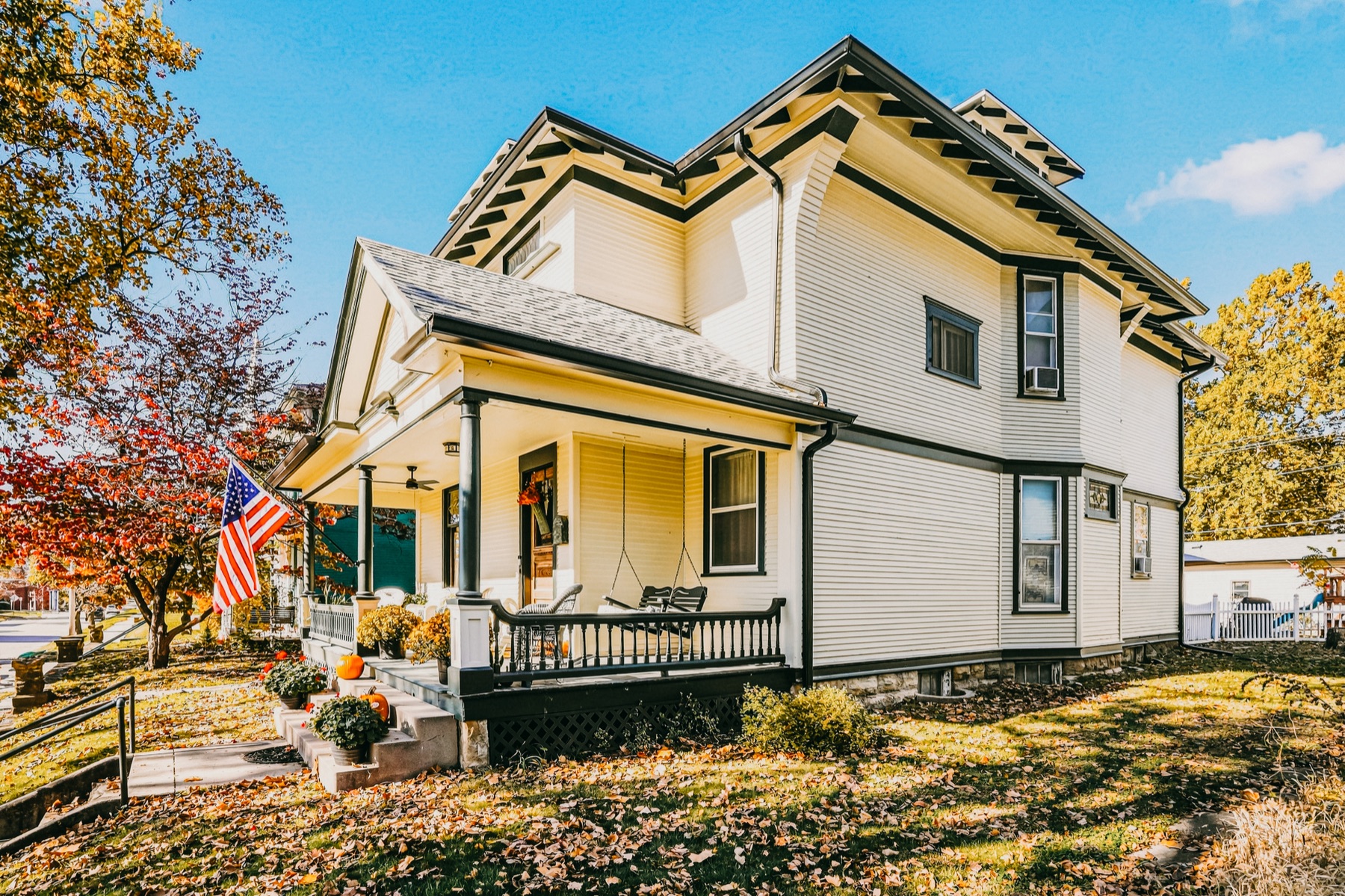
A deep porch, a beautifully shaped bracket, the rhythm of old wood siding: the details that make an older Burlington home special are often the same details that make repainting it more involved. Before you fall in love with a color, spend a little time getting to know what the house needs.
A successful project starts with a clear scope. It should explain what will be protected, which surfaces need attention, and how the work will respect the character of your home.
Walk around the exterior and make a simple photo record. Note peeling areas, open joints, damaged boards, and places where water seems to linger. Look at the porch ceiling and window trim as well as the broad siding surfaces. Bring those observations to your estimate appointment rather than assuming every area needs the same treatment.
Peeling is not always just a paint problem. The National Park Service identifies moisture as a common contributor to exterior paint failure on historic woodwork. A coating cannot correct the source of a leak. Ask which concerns need investigation or repair before painting begins.
Original trim and decorative woodwork deserve an individual plan. Discuss how sound material will be retained and how damaged areas will be addressed. Ask the painter to distinguish ordinary surface preparation from carpentry or restoration work so responsibilities are clear.
If your property is subject to historic-district requirements, check the applicable local review process before approving changes. A conversation early in the project is easier than revising a finished plan.
For a home built before 1978, do not begin sanding or scraping simply to see what lies underneath. EPA recommends hiring a certified lead-safe contractor for renovation, repair, and painting work in these homes. Ask about the painted surfaces that will be disturbed, protection of surrounding areas, and cleanup.
White Oak Painting offers certified renovation, repair, and painting (RRP) services. RRP work is different from full lead abatement; our lead-safe painting service is not an abatement service. Establish the appropriate scope before the work starts.
Consider the roof, masonry, foundation, and neighboring landscape alongside your paint samples. View the options in daylight and shade. A trim color that looks gentle on a small card can feel much stronger when it outlines every window.
Decide which architectural details deserve emphasis and which should settle quietly into the composition. The aim is a home that feels considered from the sidewalk and welcoming from the porch.
Clear answers help you compare proposals beyond the final number.
White Oak Painting helps Burlington and Southeast Iowa homeowners plan exterior projects with care for the home and the people living inside it. Explore our historic exterior painting and lead-safe painting services, or schedule a free estimate to discuss your house.
Further reading: National Park Service: Exterior Paint Problems on Historic Woodwork and EPA: Lead-Safe Renovation for Homeowners.

Would you like a free estimate? It's easy. Just click this button, and then complete a short form.
Request an Estimate